
Self-consumption optimization
- Store excess daytime solar for evening use
- Reduce low-value export to the grid
- Increase total solar utilization in-house
This strategy is common when export rates are low and evening demand is high.
The challenge for most homeowners is not understanding a single device, but understanding full-house energy behavior over time. PyMox helps model these strategies before installation or before changing how an existing Tesla home battery setup is operated.
This makes planning more explicit: what to store, when to discharge, what to keep in reserve for outages, and how tariff timing changes the outcome.
PyMox is independent and not affiliated with Tesla. Brand names are referenced only for identification.

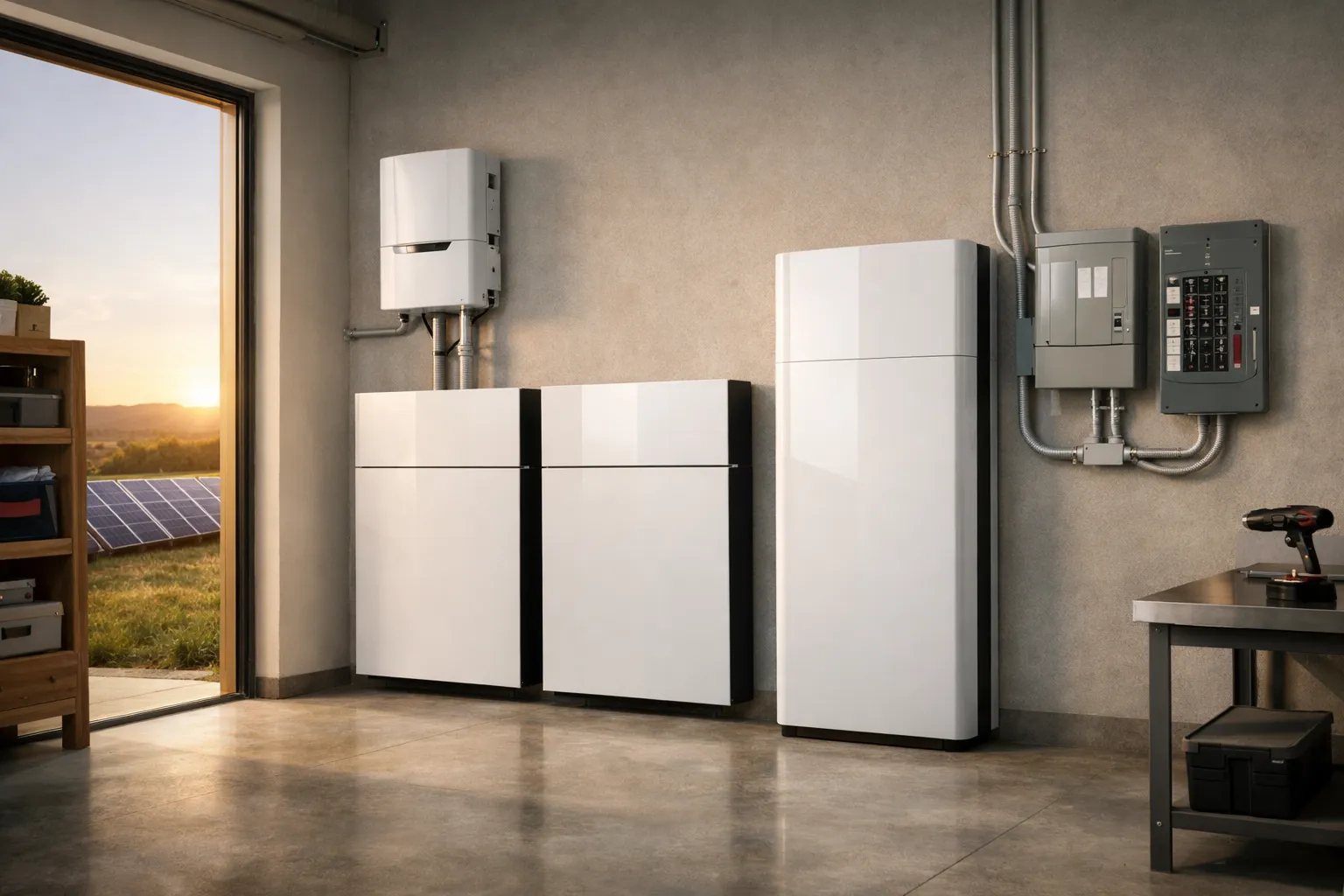
A Tesla solar battery system is best understood as a coordinated ecosystem rather than as isolated equipment. In most homes, the behavior is defined by how solar production, battery storage, and household demand interact across the day.
Tesla Powerwall 2 and Tesla Powerwall+ are common references in this category, typically paired with grid connection, backup gateway logic, and critical-load planning. The practical result depends on usage patterns, seasonal solar variation, and tariff structure.
For this reason, Tesla Powerwall sizing should be evaluated as an energy strategy problem: maximize useful solar consumption, preserve outage resilience, and reduce cost during expensive grid windows.
Solar generation
Daily production profile and seasonal drift
Tesla Powerwall storage
Charge and discharge timing against home demand
Grid interaction
Import, export, and tariff-dependent cost behavior
Backup design
Critical loads, gateway behavior, and outage runtime


This strategy is common when export rates are low and evening demand is high.
This strategy prioritizes reliability over maximum daily cost reduction.
This strategy focuses on tariff structure, not only energy volume.
PyMox models home energy behavior from electrical fundamentals and usage data assumptions. It does not depend on Tesla firmware, cloud APIs, or direct Tesla Powerwall communication.
A practical Tesla Powerwall ROI decision usually comes from comparing strategy paths rather than looking at a single monthly bill. PyMox helps evaluate these paths side by side.
Excess solar is exported. Evening demand is mostly covered by grid import.
Daytime surplus is retained and shifted into evening and overnight loads.
Storage is actively managed around off-peak and on-peak windows, with reserve constraints.
Treat simulation output as decision support. Financial outcomes depend on real tariff structures, usage changes, and installation quality.
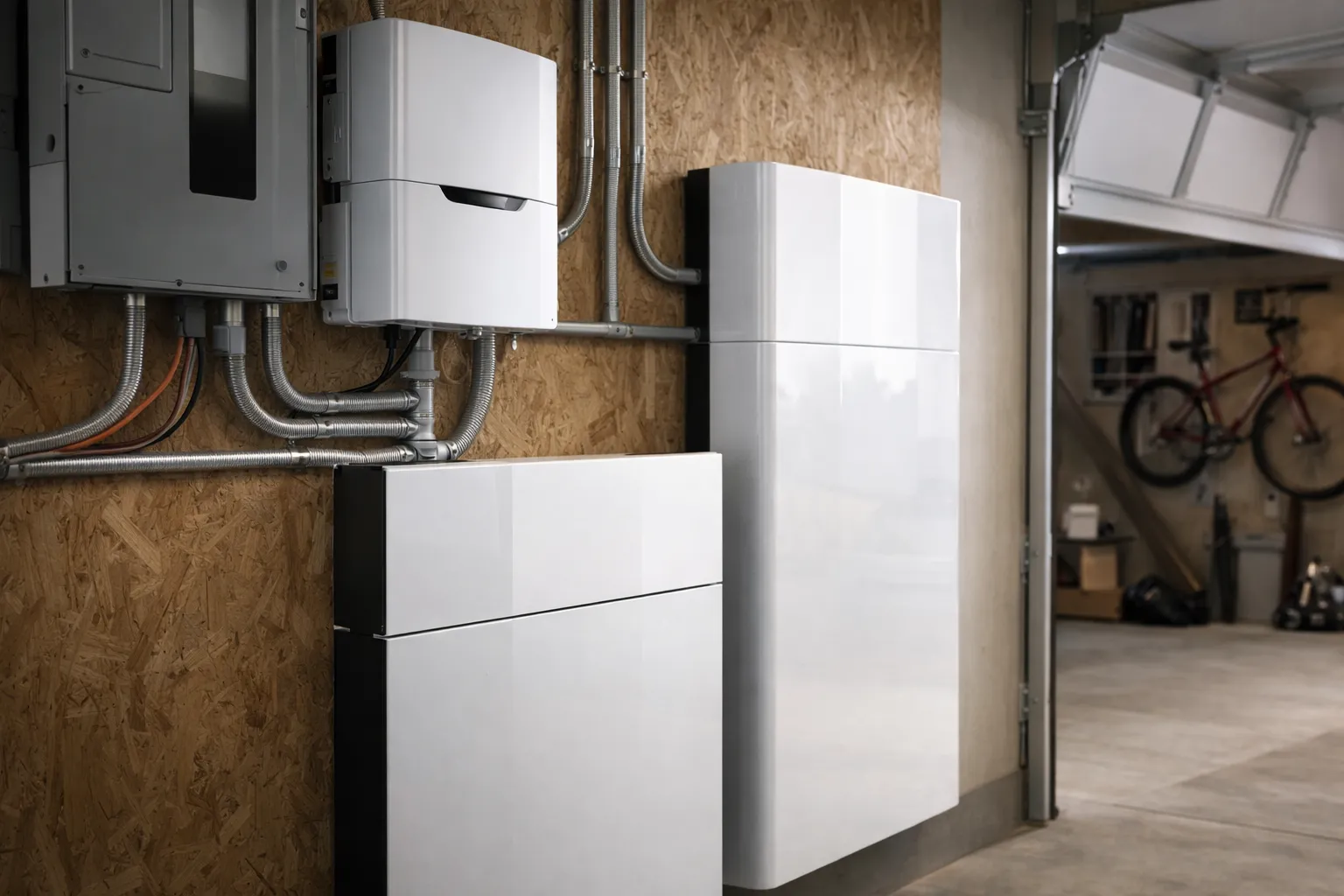
Outage planning for a Tesla battery backup should start with load groups, not battery labels. PyMox helps estimate how long essential circuits can run under realistic demand and generation assumptions.
The count depends on daily consumption, peak demand, reserve targets, and outage goals. PyMox helps test sizing assumptions before final decisions.
Yes. PyMox can model Tesla-style home battery behavior using vendor-neutral electrical scenarios.
Runtime depends on active loads and reserve policy. PyMox estimates duration by modeling essential and full-home load profiles.
Battery value depends on tariff rules, load timing, backup requirements, and solar production. PyMox provides ROI-oriented analysis but does not guarantee financial outcomes.
Yes. PyMox is designed to compare strategy outcomes so homeowners can choose a policy that matches their goals.
No. PyMox does not integrate directly with Tesla products and does not control hardware.
Use PyMox to compare self-consumption, backup, and tariff strategies with clear household-level visibility.