
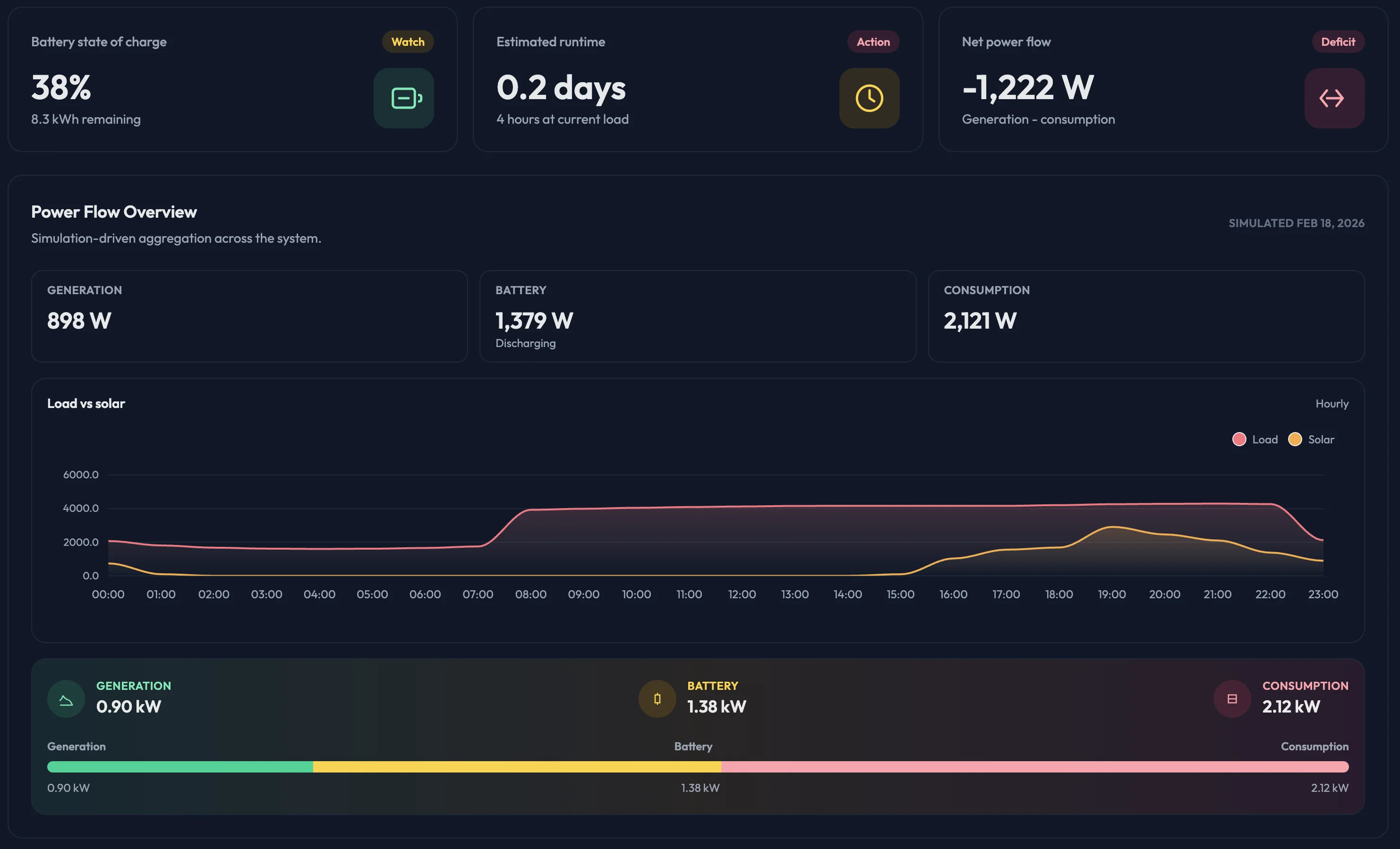
Energy flow diagram
See where modeled power comes from and where it goes.
Follow each flow step from source to load without guessing.
PyMox turns your system definition into simulations and dashboards, so you can plan reserve, charging and loads using your own assumptions.
Move from guesswork to a model you can test: one place to define your system, plan ahead and compare strategies.
PyMox is a modeling, simulation and planning layer for battery-centered energy systems.
It covers battery, solar, grid and mixed DC/AC setups, so you can see how the parts behave together.
Instead of splitting insight across disconnected tools, PyMox keeps your system model and strategy in one place so decisions stay consistent.
Built for owners and installers who need clarity without guesswork.
See where modeled power comes from and where it goes.
Follow each flow step from source to load without guessing.
Track SoC, charging behavior and capacity trends from your recorded data.
Spot battery stress early and protect long-term runtime.
Review modeled grid pull, export moments and limits.
Make informed decisions around tariffs, caps, and events.
Combine charging sources with a clear priority model.
Coordinate sources in one model instead of manual switching.
Compare peak shaving, island mode and more.
Choose the behavior that matches your location and constraints.
Review day, week, and month energy performance.
Compare trends and evaluate strategy changes over time.
Send readings in through scoped API tokens, or enter values manually.
PyMox models and reports on your system; it does not read from or control your equipment.
PyMox applies a clear priority model so simulated behavior stays predictable.
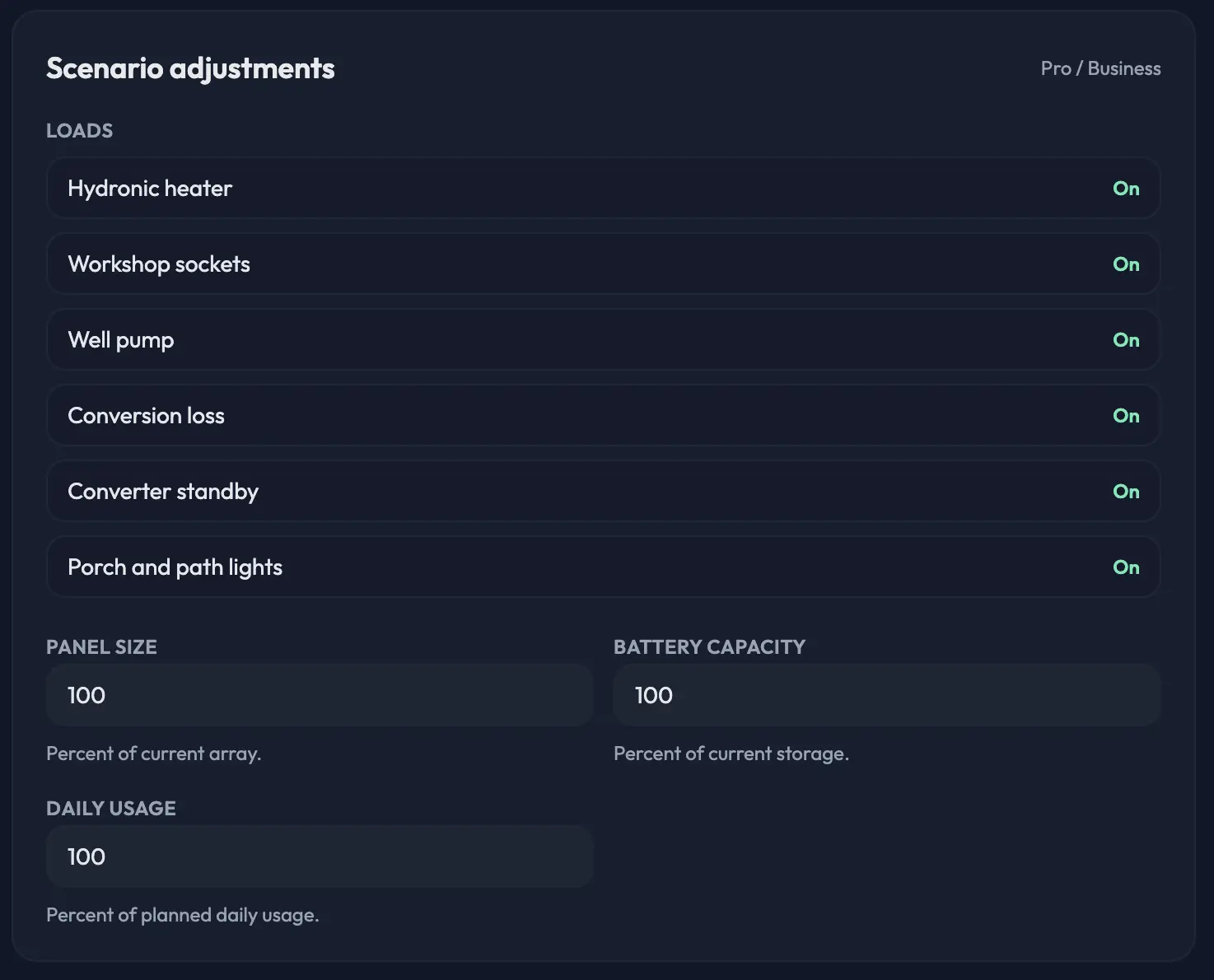
A quick product tour of the core views users rely on every day.
Each view turns your system data into actionable insight so you can protect reserve, reduce grid costs and improve system reliability.
The screenshots below are paired with practical interpretation so you can move from viewing data to making concrete planning decisions.
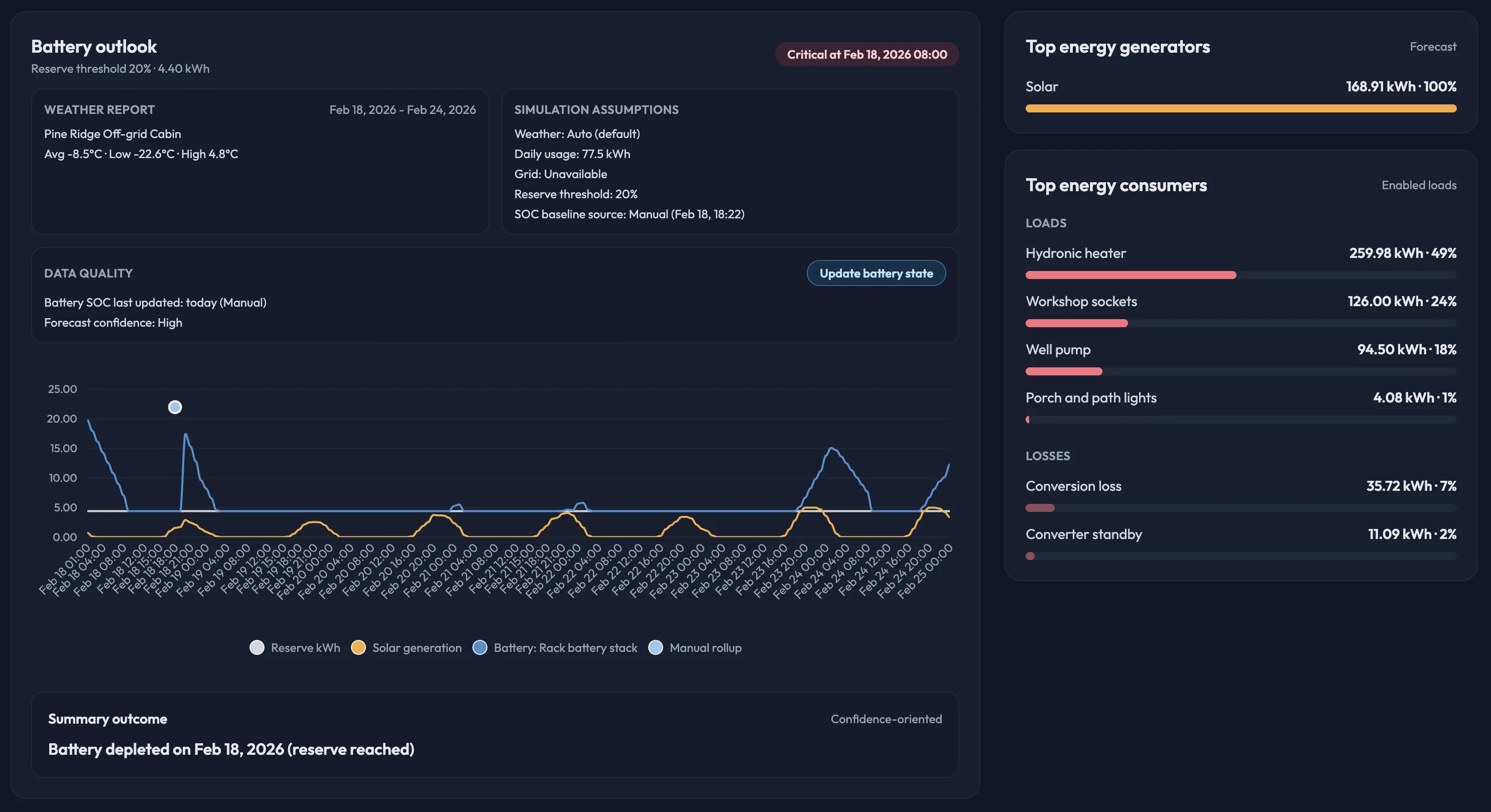
This view explains if your current reserve strategy can survive the forecast window and which loads are most responsible for battery depletion.
For grid-connected systems, this panel clarifies how much performance depends on the grid versus local generation and storage behavior.
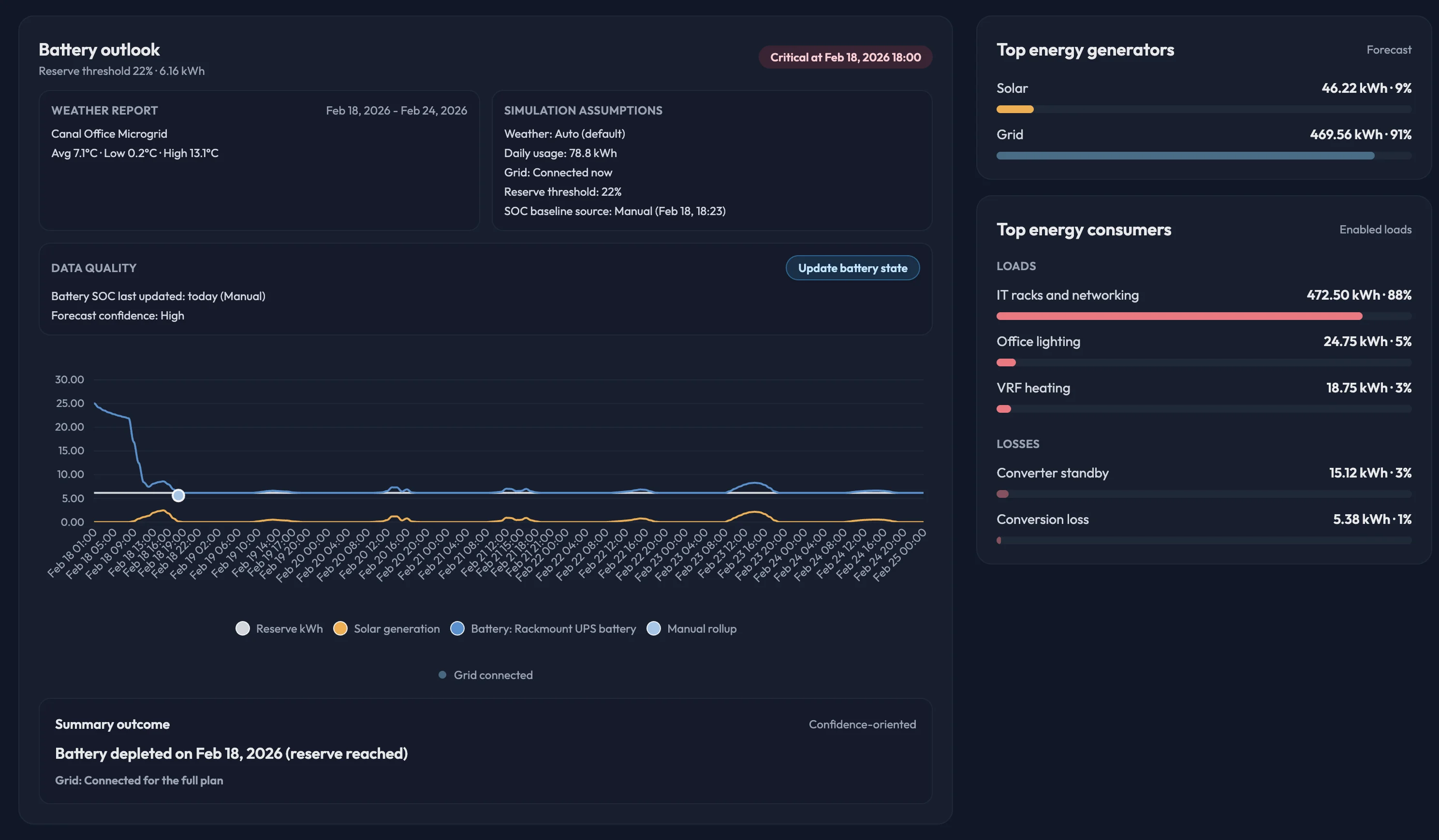
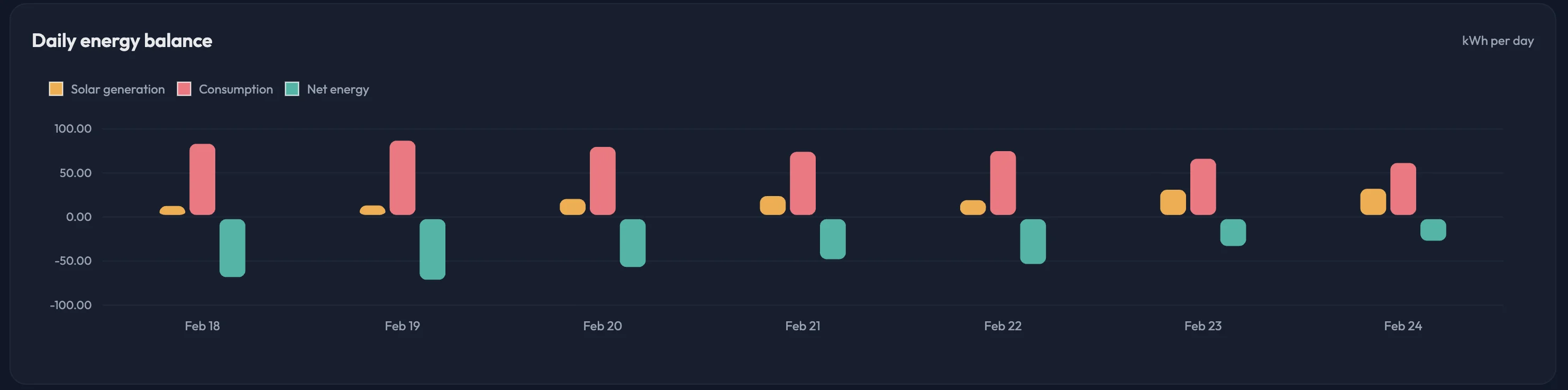
This chart gives a clean day-by-day balance between production and demand, making trend changes visible before they become operational issues.
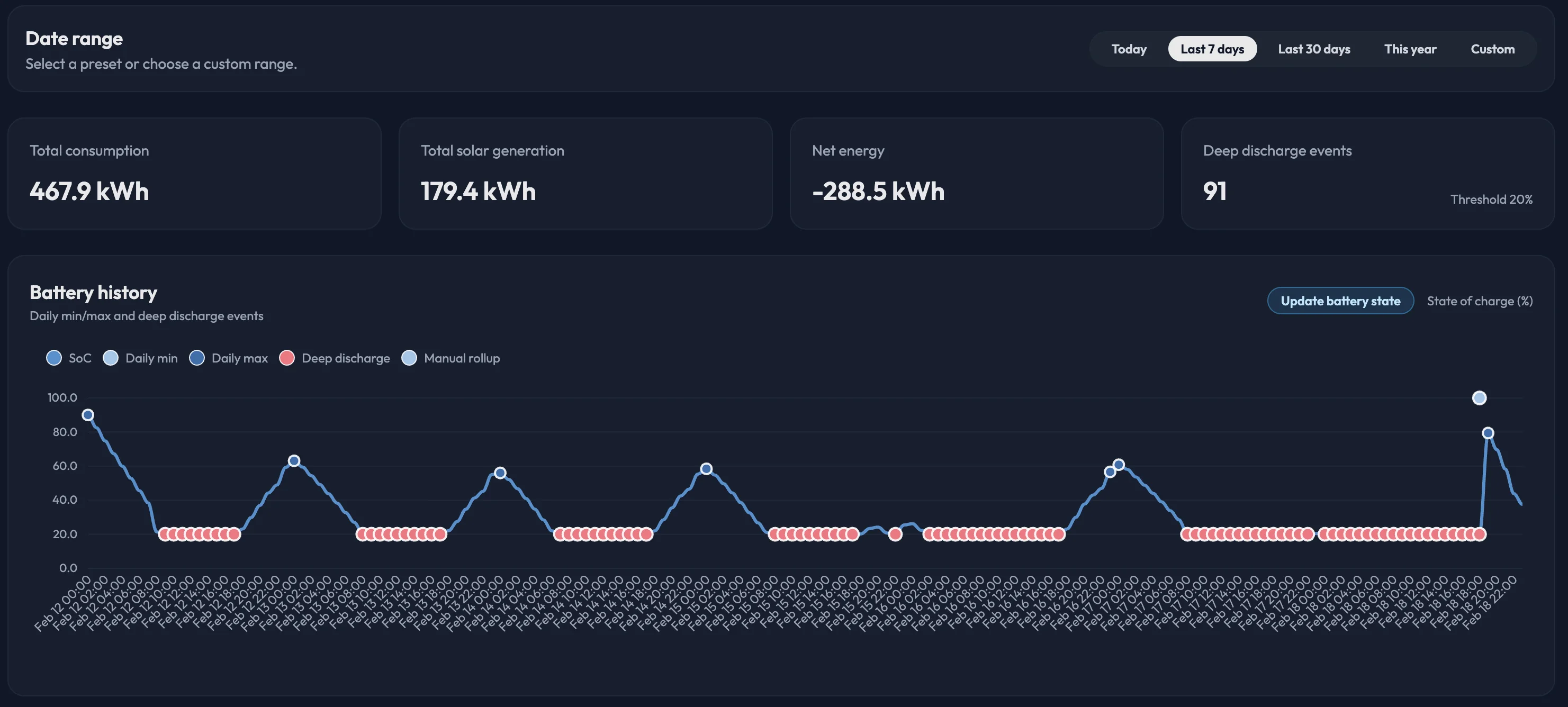
Battery history exposes how hard the system cycles in practice, so you can protect battery health while keeping enough usable capacity.
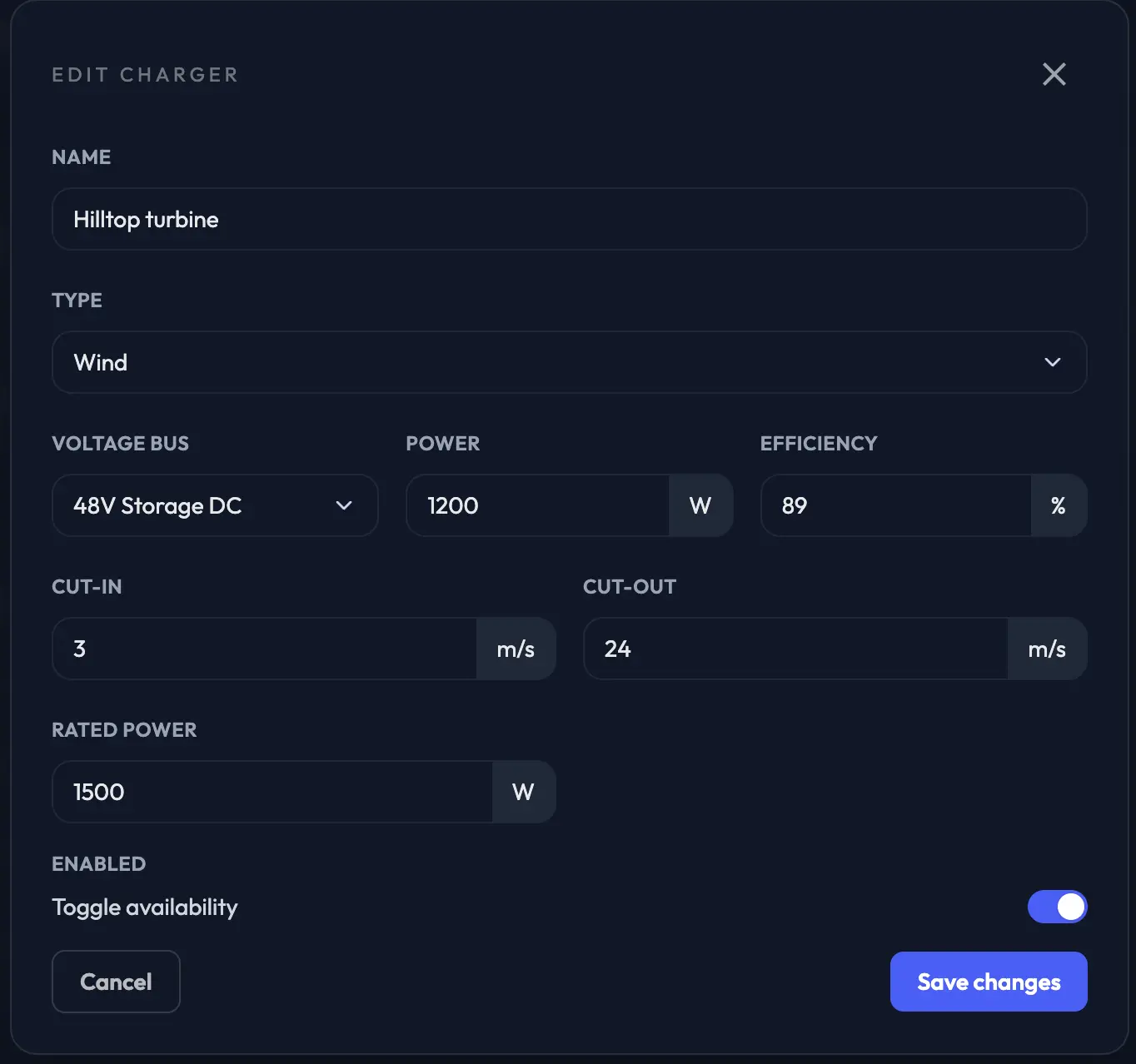
Built to represent common inverter and charger setups. PyMox models these systems; it does not connect to them.
Explore detailed scenarios on the use-cases page.
PyMox is developed in the open with a transparent roadmap and regular updates.
Start with a clear baseline, test your strategy, and refine the model as your system evolves.